MechMaxx B150 vs DCH7
The two mid-to-commercial MechMaxx gas chippers. Same brand, same category, very different buyers.
The MechMaxx B150 and DCH7 are the two models most buyers cross-shop once they’ve decided MechMaxx is their brand. The B150 is 6-inch, 15 HP Zonsen, $2,599. The DCH7 is 7-inch, 22 HP Honda GX, $8,599. That’s a $6,000 gap. Here’s what you get for it.
Side by side.
| Spec | MechMaxxB150 | MechMaxxDCH7 |
|---|---|---|
| Brand | MechMaxx | MechMaxx |
| Power | gas | gas |
| Engine | 15 HP Zonsen GB460B (Honda GX390 variant at $3,499) | 22 HP Honda GX commercial engine |
| Max branch | 6" | 7"✓ |
| HP requirement | 15 HP | 22 HP✓ |
| Feed | Self-feeding | Self-feeding |
| Weight | 573 lb✓ | 780 lb |
| Warranty | 2 yr | 2 yr |
| Price | $2,599✓ | $8,599 |
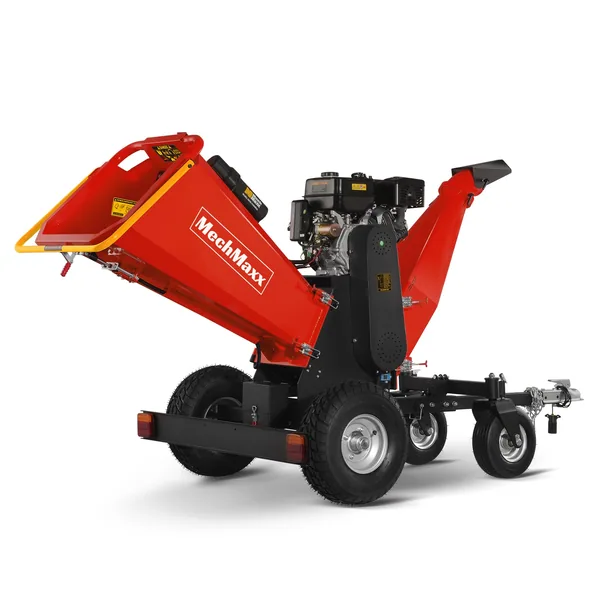
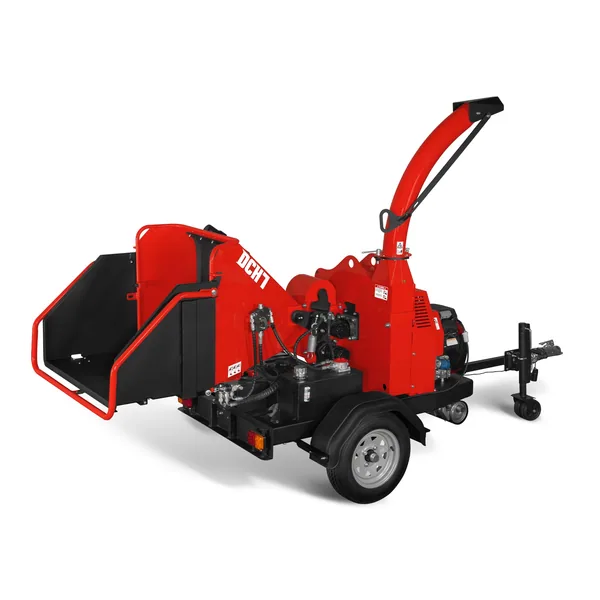
What the $6,000 premium buys
- 7-inch capacity vs 6-inch: a meaningful capability jump, not a marketing number. The DCH7 handles branches the B150 can’t touch.
- Honda GX engine: 22 HP commercial vs 15 HP generic. Longer service life, widely available parts, easier cold starts.
- Self-feeding rollers: the DCH7 pulls branches in; the B150 needs manual push. On a long chipping session this is a major fatigue reduction.
- 207 lb more mass: the DCH7’s heavier flywheel and chassis absorb hardwood better and reduces vibration during sustained chipping.
Engine deep dive: Zonsen GB460B vs Honda GX
The engine difference is the single most important spec on this page. The B150 ships with a Zonsen GB460B — a 420cc single-cylinder engine that is broadly described as a Honda GX390 variant but is not the same component and does not share a Honda parts network. US dealer coverage for Zonsen is thin; most repairs go back through MechMaxx directly, which adds lead time on parts.
The DCH7 uses a Honda GX commercial engine. Honda’s small-engine dealer network is the deepest in North America — OEM parts are stocked at thousands of dealers. Cold-start behavior is noticeably better in sub-freezing temperatures. Expected service life before major overhaul is 1,500–2,000 hours, roughly double what most generic engines deliver at this power class.
For occasional homeowner use this gap matters less — neither engine will hit its service ceiling if you chip twice a year. For anyone chipping monthly or more, the Honda engine is a long-term cost advantage: fewer unplanned repairs, better resale, and parts you can source locally if MechMaxx is slow on warranty response.
Total cost of ownership over 10 years
The $6,000 upfront gap looks different when you factor in a decade of use:
- Engine longevity: a Honda GX at light-commercial use realistically outlasts two Zonsen engines. One major engine repair or replacement on the B150 (≈$800–$1,200) narrows the initial price gap, though at today’s $6,000 difference it won’t close it.
- Resale value: DCH7s with Honda engines hold value well on the used market — buyers recognize the brand. Zonsen-powered machines typically trade at a discount regardless of machine condition.
- Downtime cost: if the chipper is a working tool (not a once-a-year homeowner machine), every day it’s down waiting for a Zonsen part costs real money. Honda parts arrive in 1–2 days almost anywhere in the US.
The B150 is a better value for buyers who chip rarely and plan to replace the machine in 5–7 years. The DCH7 is the better 10-year investment for anyone who will actually use it regularly.
Who should actually buy the B150
The B150 is the right pick for homeowners on 1–5 acres who chip a few times per year, have mostly 4–5 inch material with occasional 6-inch pieces, and want a budget-friendly gas chipper that’s a real step up from the 4-inch GS650. It’s not a commercial-use machine, and it won’t be your primary tool if you chip weekly.
Who should actually buy the DCH7
The DCH7 is the right pick for property owners with 5+ acres, light-commercial users (landscapers, small tree services without a tractor), and anyone who genuinely values the Honda engine’s long-term reliability. If you’ll keep the chipper 10+ years, the DCH7’s engine is the single biggest factor in that longevity.
Frequently asked questions
- Is the DCH7 worth the extra $6,000 over the B150?
- Only if you want the Honda specifically. If you just need 7-inch capacity and hydraulic feed, the PowerDCH7 ($6,399) is the cheaper way in. If you chip regularly or work hardwood at capacity and want the Honda, yes. The Honda engine alone accounts for much of the premium — it's the difference between a chipper that lasts 5 years and one that lasts 15. For occasional homeowner use, the B150 is the right value tier.
- Can the B150 chip 6-inch branches?
- Rated yes. Practical — it handles 6-inch green softwood well and 5-inch seasoned hardwood comfortably. Seasoned 6-inch hardwood at full spec will slow the feed and can bog the 15 HP engine on knots. If your wood is regularly seasoned hardwood at 6 inches, step up to the DCH7.
- Does the B150 have a Honda engine?
- No. The B150 ships with a Zonsen GB460B gasoline engine. Only the DCH7 uses a Honda GX. This is the single biggest long-term reliability difference between the two.
- Self-feeding on the B150?
- No. The B150 is manual feed — you push branches in by hand. The DCH7 is the first MechMaxx gas chipper with self-feeding rollers.
- Which has a better warranty?
- Both the B150 and DCH7 carry a 2-year warranty from MechMaxx. Warranty parity is one of the few areas where the B150 doesn't give anything up to the DCH7.